Most Repair-Friendly Cars for DIY Mechanics
On this page(5 sections)
If you're the type who'd rather turn a wrench than write a large cheque to the local auto shop, the car you drive matters immensely. Some vehicles are designed with serviceability in mind—featuring roomy engine bays, easily accessible bolts, top-mounted filters, and a wealth of online repair manuals. Others seem deliberately built to frustrate anyone without a hydraulic lift and a full set of proprietary, brand-specific specialty tools.
Choosing a DIY-friendly car not only saves you thousands of dollars in labor costs over the life of the vehicle, but it also turns routine maintenance into an enjoyable weekend hobby rather than a stressful chore. This comprehensive guide highlights the most repair-friendly cars for DIY mechanics, based on real-world workshop experience, parts availability, and community support.
What Makes a Car Truly Easy to Work On?
Before we dive into the specific models, it’s important to understand the criteria that separates a DIY-friendly car from a mechanic's nightmare:
1. Engine Bay Accessibility
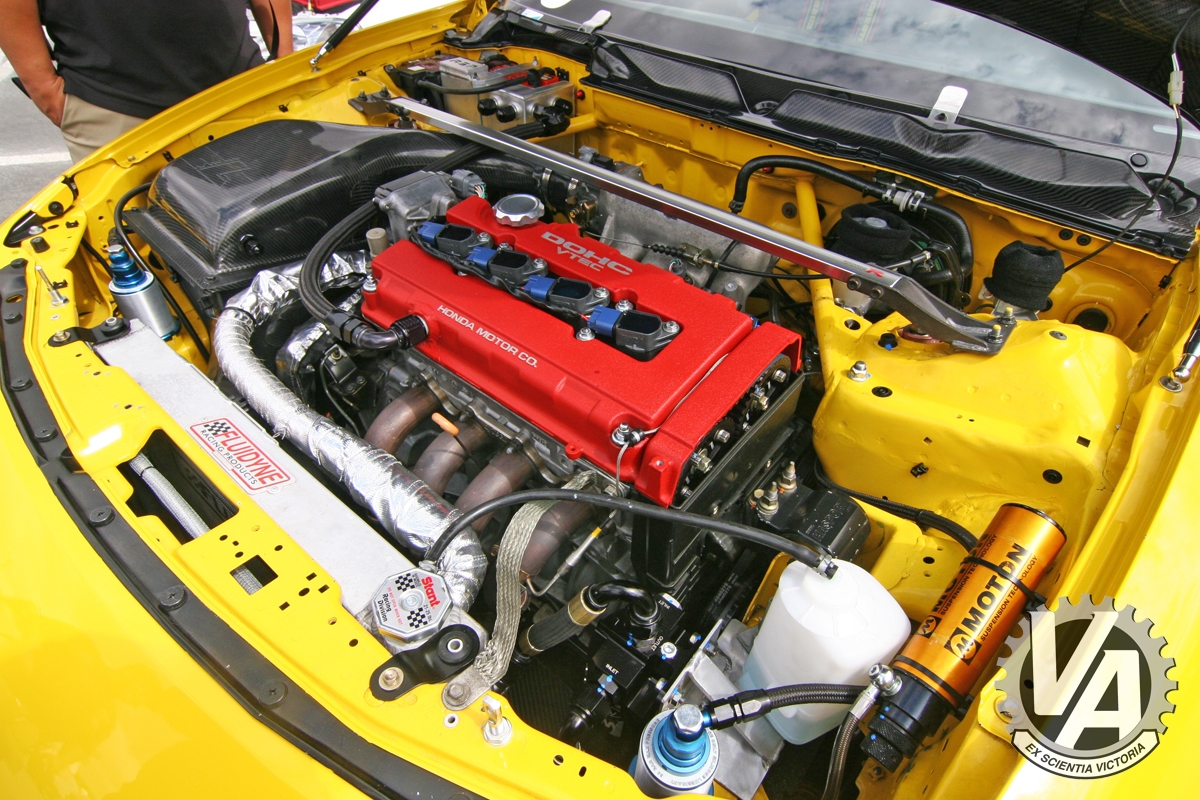
- Space: The physical room to reach spark plugs, alternators, belts, and sensors without having to remove the intake manifold, headlights, or bumper.
- Filter Placement: Oil and air filters that you can change from the top of the engine bay without needing to jack the car up or remove massive plastic under-trays.
- Logical Layout: Components placed where you'd logically expect them to be, rather than buried tightly against the firewall or tucked behind complex cooling lines.
2. Diagnostic Simplicity
- Standardized OBD-II: While all modern cars have it, some brands are more open with their data streams. A basic OBD-II scanner can read generic codes, but DIY-friendly cars have communities that map out the manufacturer-specific codes clearly.
- Lack of Software Locks: Avoid cars that require proprietary dealership software just to reset the battery monitor or register a new brake pad installation.
- Manual Availability: Factory service manuals, Haynes, Chilton, and comprehensive YouTube tutorials make a massive difference when tackling unfamiliar jobs.
3. Parts and Tooling
- Aftermarket Parts Availability: Affordable OEM-equivalent options for alternators, starter motors, brakes, and common wear items.
- Standard Fasteners: Cars that can be completely disassembled using standard metric sockets and wrenches, rather than requiring specialized Torx, E-Torx, or triple-square bits.
Top Repair-Friendly Cars for DIY Mechanics
Honda Civic (8th, 9th, 10th Generation)
The Honda Civic is an undisputed legend in the DIY community. The engine bay is relatively open, the oil filter is top-mounted or easily accessible from beneath on many models, and the spark plugs are sitting right on top of the valve cover. The 1.8L and 2.0L naturally aspirated engines are brilliantly simple. Because millions have been sold, the community support is enormous. Whether you're doing a basic oil change or tackling a suspension overhaul, you will find high-definition video guides for every single bolt.
Toyota Corolla & Camry (2005–2019)
Toyota's overarching engineering philosophy strongly favors simplicity and iterative design. The Corolla and Camry have straightforward transverse engine layouts, and parts are incredibly cheap and widely available at any local auto parts store. Routine jobs like swapping brake pads, replacing serpentine belts, and changing fluids are about as easy as they get. The 2.5L four-cylinder in the Camry is particularly praised by mechanics for its logical accessory placement.
Jeep Wrangler (JK and JL Generations)
The Wrangler is purposefully built for owners who like to get their hands dirty. The 3.6L Pentastar V6 is easy to access, and the traditional body-on-frame design means that suspension, steering, and driveline work is incredibly straightforward. You can easily access the differentials, transfer case, and driveshafts without a lift. Furthermore, a massive aftermarket and off-road enthusiast community ensures you'll find answers to any diagnostic question almost instantly.
Mazda Miata / MX-5 (NA, NB, NC, ND)
The Miata is small, lightweight, and engineered specifically for driving enthusiasts. Because it is a front-engine, rear-wheel-drive layout with a small inline-four, everything is highly accessible. You can reach both sides of the engine, the transmission bell housing is relatively easy to access for clutch jobs, and suspension swaps are a rite of passage for owners. The community forums are some of the most helpful and welcoming in the automotive world.
Ford F-150 (Pre-2015, 5.0L V8)
While modern trucks are getting more complex, an F-150 equipped with the 5.0L Coyote V8 offers a cavernous engine bay. You can almost climb inside the engine bay to work on it. Oil changes, spark plugs, and belt replacements are beautifully simple. The sheer volume of F-150s on the road means parts are cheap, plentiful, and available at any junkyard or parts retailer.
Subaru Outback / Legacy (Non-Turbo)
Naturally aspirated Subarus feature a unique layout that benefits DIYers. The flat-four "boxer" engine sits very low, which lowers the center of gravity. While spark plugs can require a bit of finesse due to the frame rails, the oil filter on newer FB-series engines is mounted dead-center on top of the engine—making oil changes a 5-minute, tool-less affair (once the drain plug is out). The enthusiast community is robust and highly technical.
Chevrolet Silverado / GMC Sierra (1999–2013 V8 Models)
The GMT800 and GMT900 platform trucks equipped with the 5.3L and 6.0L LS-based V8s are the backbone of American DIY mechanics. The engine architecture is legendary for its simplicity. Water pumps, alternators, and intake manifolds can be swapped in your driveway with basic hand tools. Brakes, suspension, and driveline work are completely manageable for a home mechanic.
Volvo 240 / 740 / 940
Older rear-wheel-drive Volvos are beloved by DIYers for a good reason. The "red-block" B230 engine is agricultural in its simplicity, incredibly robust, and uniquely easy to work on. The engine bay is uncluttered, allowing you to clearly see and reach every component. If you're looking for a classic, durable car to learn mechanics on, these Swedish bricks are hard to beat.
DIY-Friendly Features Comparison
| Vehicle | Engine Bay Space | Oil Filter Access | Fastener Type | Community Support | Parts Cost |
|---|---|---|---|---|---|
| Honda Civic | Very Good | Excellent (Varies by gen) | Metric | Exceptional | Very Low |
| Toyota Camry | Good | Good | Metric | Exceptional | Very Low |
| Jeep Wrangler | Excellent | Excellent (Top on 3.6L) | Metric/Standard | Exceptional | Moderate |
| Mazda Miata | Excellent | Good | Metric | Exceptional | Low |
| Ford F-150 (V8) | Massive | Good | Metric/Standard | Exceptional | Low |
| Subaru Outback | Moderate | Incredible (Top Mount) | Metric | Very Good | Moderate |
| Chevy Silverado | Massive | Good | Metric/Standard | Exceptional | Low |
| Volvo 240/740 | Excellent | Good | Metric | Very Good | Moderate |
Essential Tips for the Aspiring DIY Mechanic
- Invest in Proper Tools: You don't need a $5,000 Snap-On box, but a high-quality 3/8" and 1/2" metric socket set, torque wrench, and heavy-duty jack stands are non-negotiable for safety and success.
- Take Photos Before Disassembly: Use your smartphone to take pictures of vacuum lines, wiring harness routing, and belt routing before you take things apart. It makes reassembly foolproof.
- Use the Right Fluids and Torques: Always consult your owner's manual or factory service manual. Using the wrong coolant can degrade seals, and over-tightening a spark plug can destroy an aluminum cylinder head.
- Start Small to Build Confidence: Don't start with a head gasket replacement. Begin with an oil change, cabin air filter replacement, or swapping out a worn serpentine belt.
- Bag and Tag Your Hardware: When doing larger jobs, put bolts in ziplock bags and label them with a sharpie (e.g., "Alternator brackets", "Water pump housing").
Final Thoughts
The most repair-friendly cars all share sensible engineering, vast parts availability, and a dedicated community willing to share its knowledge. Choosing to drive a DIY-friendly vehicle gives you a deeper connection to your machine and insulates you from the sting of $150/hour dealership labor rates.
For more on maintaining your vehicle, check out our 4WD maintenance guide for off-road preparation, and our detailed OBD-II diagnostics guide to learn how to troubleshoot check engine lights from the comfort of your garage.