Solar Panel Basics for Your Home: A Practical Guide for Homeowners
On this page(7 sections)
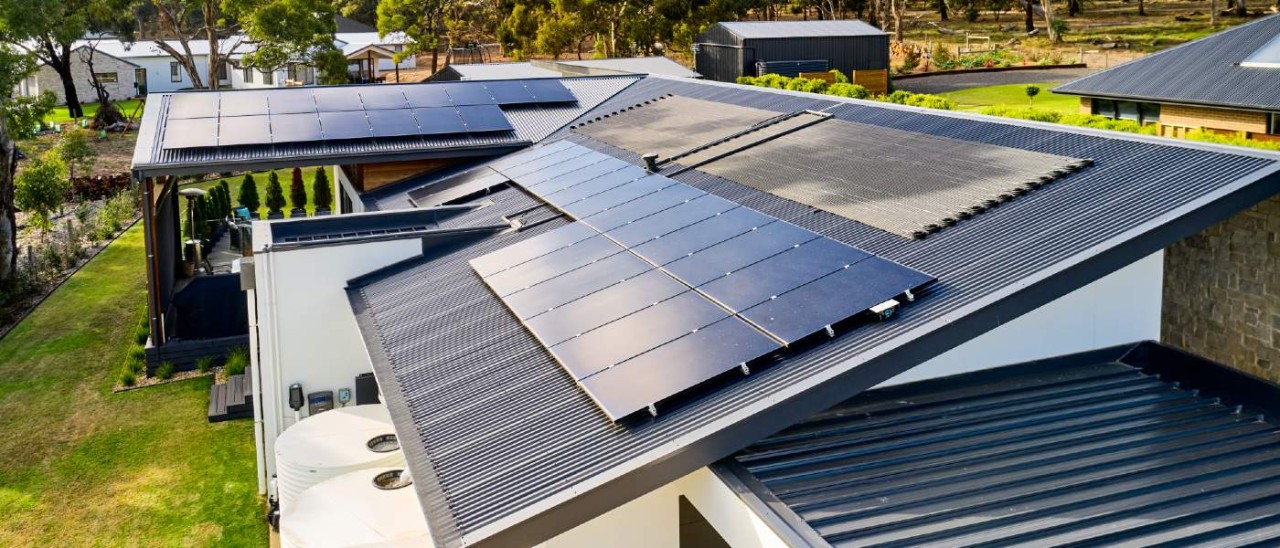
Solar power has gone from niche technology to a mainstream upgrade for homeowners, especially in sunny countries like Australia where rooftop solar is everywhere. Whether you’re planning a full grid‑connected system with feed‑in tariffs or just trying to understand what’s already on your roof, knowing the basics of home solar panels helps you make better decisions.
This guide covers how solar power systems work, key components, and what matters most when you’re evaluating quotes or planning a DIY‑adjacent installation.
How a Grid-Connected Solar System Works
Most home systems are grid‑connected with no batteries, or with batteries added later.
Key components:
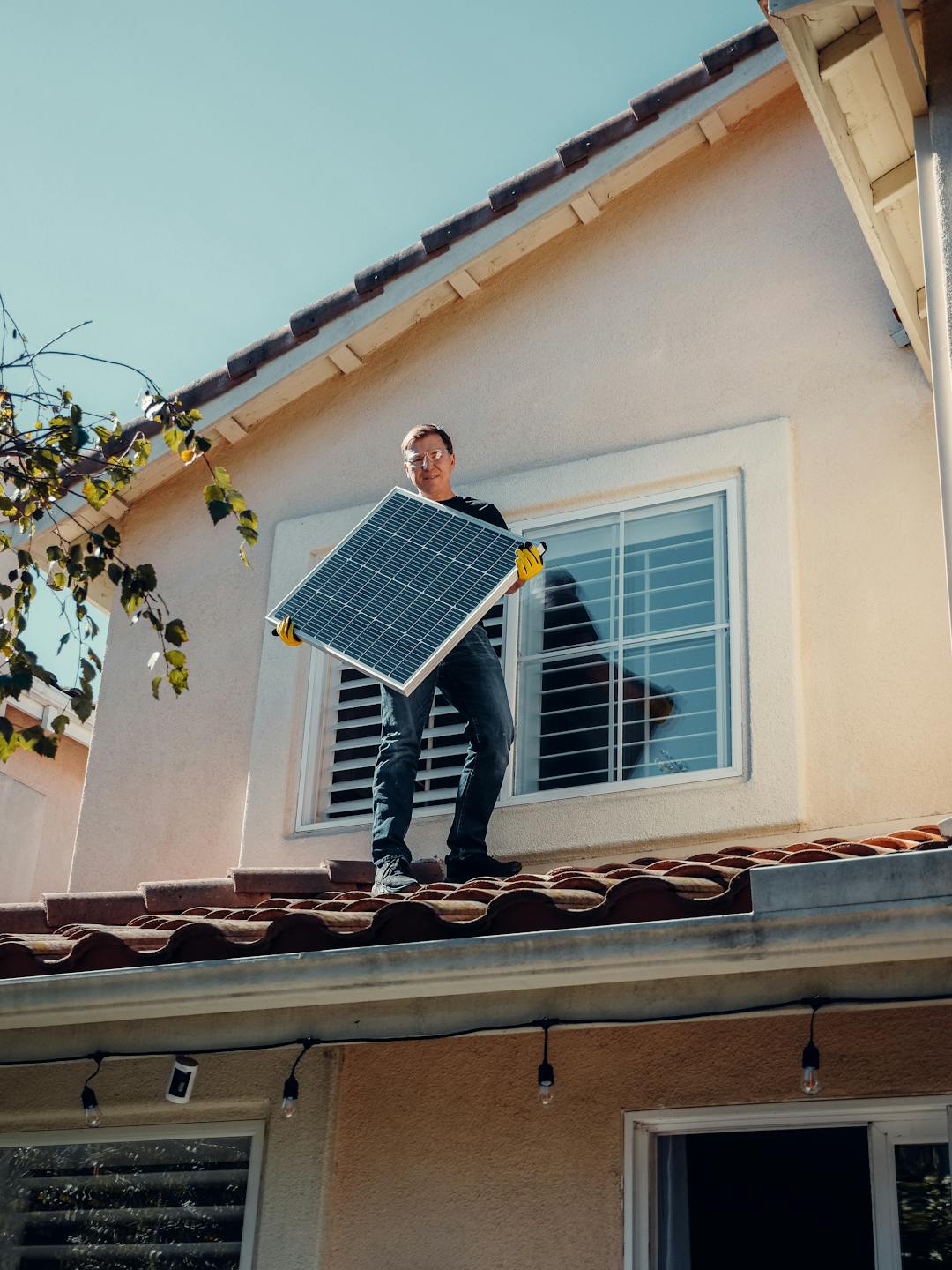
- Solar panels on your roof convert sunlight into DC electricity.
- A solar inverter converts DC power into AC power for your home.
- Your household loads (lights, appliances, electronics) use that AC power.
- Excess power flows back to the grid, often earning a feed‑in tariff.
During the day, you draw less (or nothing) from the grid, and at night you rely on grid power unless you have a battery.
Understanding Panel Ratings and Output
Solar panels are typically rated in watts (e.g., 370W, 415W). The total system size is expressed in kilowatts (kW), such as 6.6 kW or 10 kW.
Real‑world output depends on:
- Sunlight intensity and angle.
- Panel orientation and tilt.
- Temperature (panels are less efficient when very hot).
- Shading from trees, chimneys, or neighbouring buildings.
In Australia, it’s common to see daily energy production estimates of 3.5–5.0 kWh per kW of panels, depending on location and season.

Inverters: The Heart of the System
The inverter is responsible for converting DC from the panels into AC for your home.
Common options:
- String Inverters: One central unit connected to multiple panel strings.
- Microinverters: Small inverters mounted under each panel.
- Optimised Systems: DC optimisers on each panel feeding a central inverter.
In partially shaded or complex roofs, microinverters or optimised systems can protect overall output when one panel is shaded.
Batteries: When and Why to Add Storage
Home batteries (like lithium‑ion wall units) store excess solar energy for use at night or during grid outages.
Pros:
- Increased self‑consumption of your solar generation.
- Backup power for critical loads during blackouts.
- Potential bill savings where feed‑in tariffs are low.
Cons:
- Higher upfront cost compared to panels alone.
- Payback periods can be longer, depending on energy prices and tariffs.
Many homeowners choose to install a battery‑ready system, with the option to add storage later as prices and incentives change.
Key Considerations Before Installing Solar
Roof Suitability
- Check roof orientation, tilt, and available space.
- Ensure roof is in good condition; replacing it after installing solar is more complex.
Shading and Layout
- Identify shade sources throughout the day and year.
- Consider trimming or removing problem trees where practical.
Local Regulations and Incentives
- In Australia, state and federal rebates or incentives may apply.
- Ensure your installer is accredited and compliant with local standards.
Monitoring and Getting the Most from Your Solar
Modern systems include monitoring via:
- Inverter apps and web dashboards.
- Home energy management systems.
- Integration with smart home platforms for automation.
You can:
- Time energy‑hungry tasks (washing, dishwashing, pool pumps) for sunny hours.
- Track system performance and spot issues early.
- Optimise usage patterns to increase your self‑consumption and reduce bills.
Solar Panel Basics Checklist
- Understand your energy usage and goals (bill reduction, backup, or both).
- Assess your roof orientation, tilt, and shading.
- Choose an appropriate system size (kW of panels).
- Select quality panels, inverter, and—optionally—battery storage.
- Work with accredited installers and verify local incentives.
- Use monitoring tools to get the best return from your solar investment.
Armed with these solar panel basics, you’ll be in a much stronger position to interpret quotes, ask the right questions, and build a home energy system that fits how you actually live—especially in high‑sun regions where solar can make a real difference to your power bills and carbon footprint.